When your water heater stops delivering reliable hot water, one of the first questions is whether to repair it or replace it. You want to restore comfort without paying for a replacement too soon—or spending money on repairs that will only provide temporary relief.
The decision depends on where the problem is coming from, the water heater’s age and condition, its repair history, and how well it meets your household’s needs. A serviceable component may justify a repair. A leaking storage tank, repeated breakdowns, or equipment that no longer provides enough hot water may make replacement the more practical choice.
For homeowners in Converse, TX, a professional evaluation can help turn an uncertain decision into a clear comparison. Here is what to consider before choosing water heater repair or replacement.
Start With the Cause of the Problem
A lack of hot water does not automatically mean your water heater needs to be replaced. Likewise, a unit that still produces hot water may have a problem that needs prompt attention.
Common concerns include:
- No hot water.
- Water that turns cold too quickly.
- Inconsistent temperatures.
- Visible leaks.
- Unusual noises.
- Discolored hot water.
- Repeated shutdowns or error messages.
These symptoms can have different causes. The right decision starts with identifying the problem—not guessing from the symptom alone.
For example, water near the heater could come from a connection, valve, nearby plumbing, or the tank itself. Those possibilities can lead to very different recommendations.
When Water Heater Repair May Make Sense
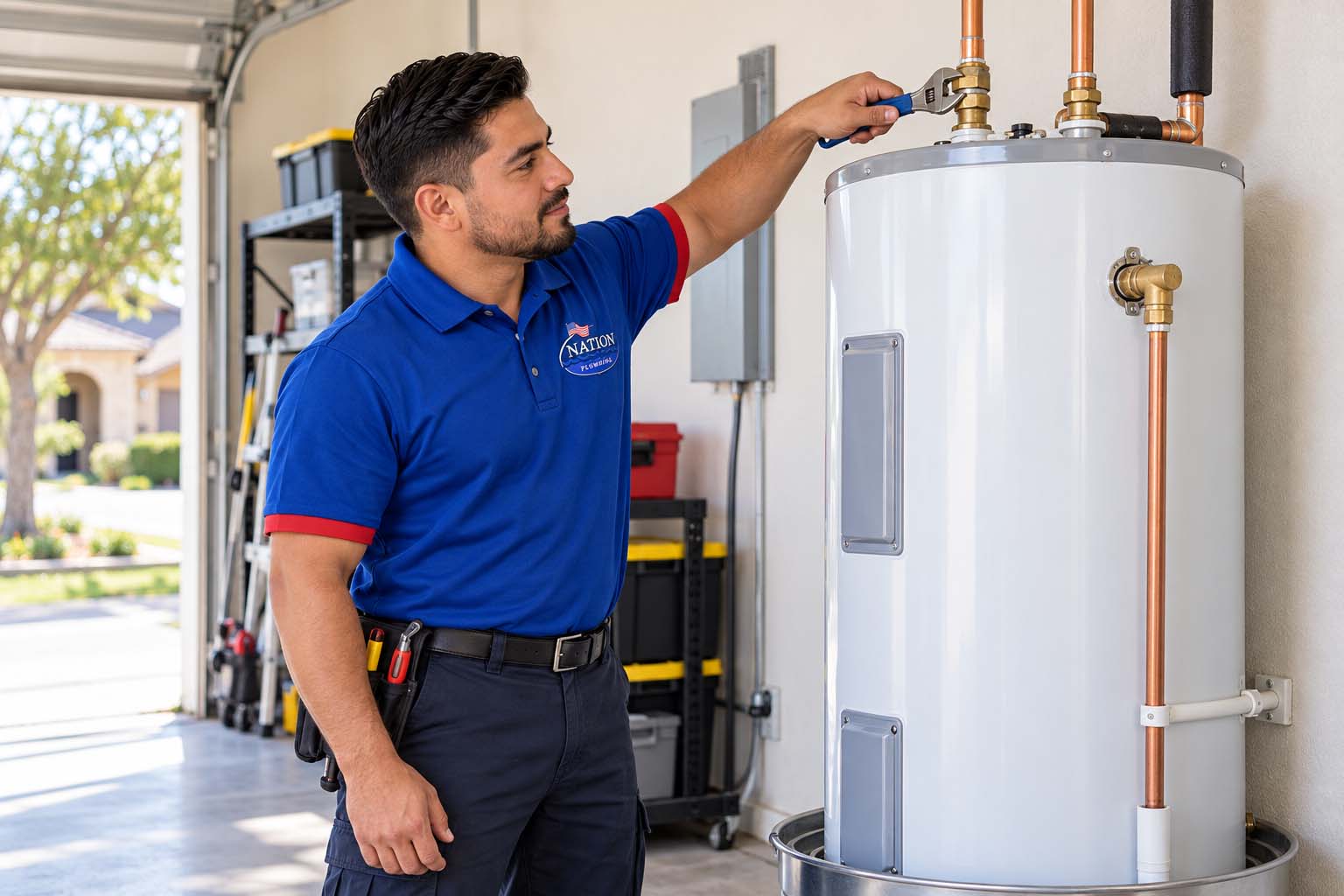
Repair may be a reasonable option when the problem involves a replaceable component and the rest of the equipment remains in suitable condition.
The Problem Is Isolated
A water heater may lose performance because of an individual component rather than a failure of the entire system.
Depending on the model, a plumber may evaluate heating elements, thermostats, controls, ignition components, valves, or accessible connections. Whether a repair is appropriate depends on the diagnosis, equipment condition, and availability of suitable parts.
A targeted repair can make sense when it addresses the identified cause and the unit otherwise operates reliably.
The Unit Has Been Reliable
A water heater with little repair history presents a different situation from one that has needed several service visits.
If the current issue is an isolated problem, repairing it may provide useful service without the expense of a full replacement.
Tell your plumber about previous repairs, even if another company completed them. That history helps determine whether the concern is new or part of a recurring pattern.
It Still Meets Your Household’s Needs
If your water heater normally supplies enough hot water, restoring its performance may be more practical than changing the equipment.
Consider how it worked before the problem began:
- Could your household shower comfortably?
- Was there enough hot water for normal routines?
- Did temperatures remain reasonably consistent?
- Did the system recover adequately between uses?
A unit that previously met your needs may be a good repair candidate, depending on its condition.
Warranty Coverage Could Affect the Cost
Before approving work, check whether the equipment or affected part has remaining warranty coverage.
Warranty terms vary. Parts coverage does not necessarily include labor, service calls, or every installation expense. Your plumber can help identify the model and serial number, while the manufacturer’s terms determine applicable coverage.
When Water Heater Replacement May Be the Better Choice
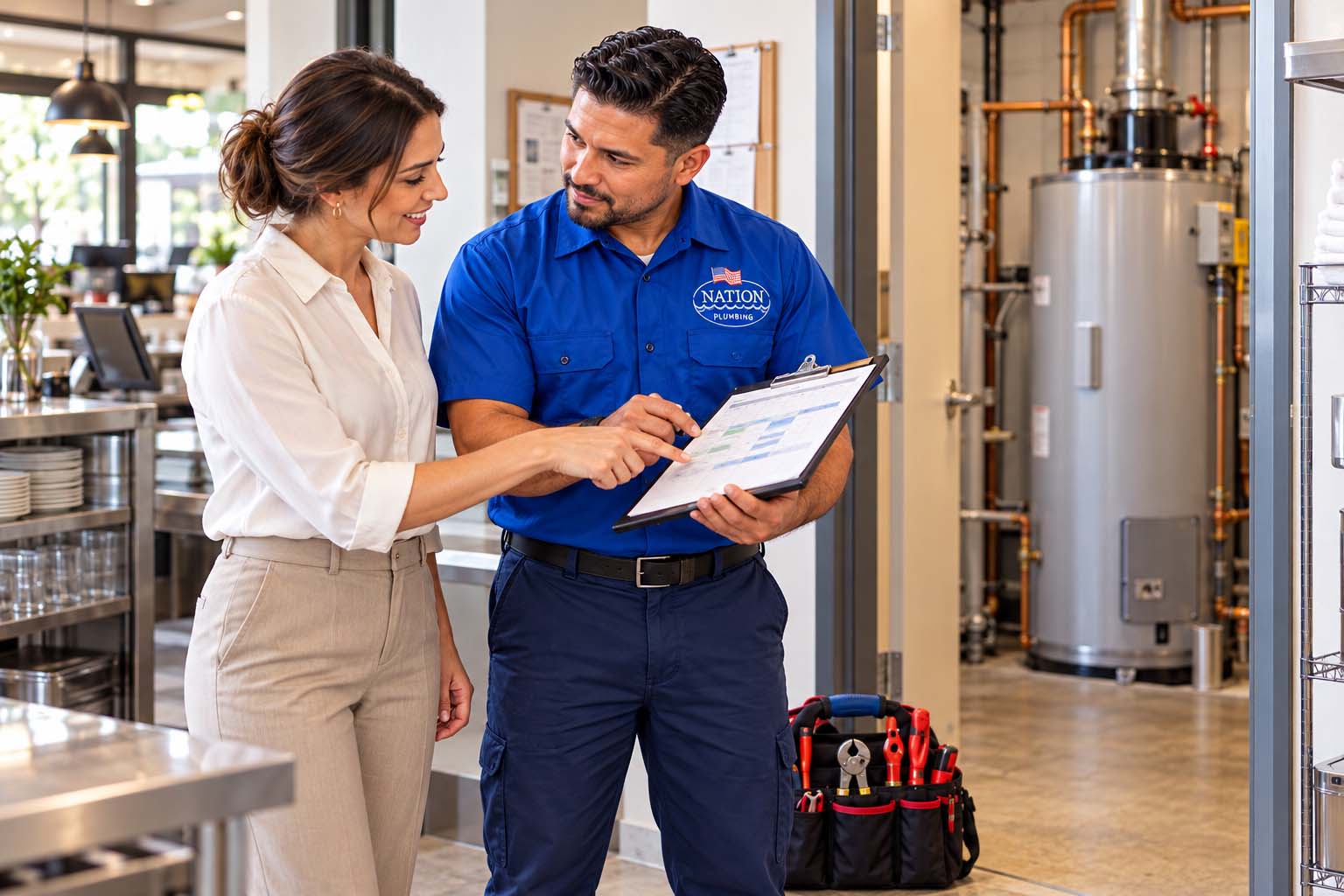
Replacement becomes more compelling when the problem involves the storage tank, the equipment has repeated failures, or its capacity no longer suits your home.
The Storage Tank Itself Is Leaking
A confirmed leak from the body of a storage tank generally points toward replacement rather than a routine component repair.
However, the source should be verified first. Water from a fitting, valve, or nearby pipe can collect around the heater and resemble a tank leak.
Do not assume every puddle means the tank has failed—but do not ignore it either.
Breakdowns Keep Returning
One repair may be worthwhile. Several repairs over a short period can change the calculation.
Recurring problems may mean you are paying repeatedly to keep an aging or deteriorating system operating. They also create inconvenience: missed showers, interrupted laundry, and unexpected service appointments.
Ask whether the proposed repair resolves the current issue and whether other visible concerns could affect the equipment’s future reliability. No one can guarantee its remaining service life, but an evaluation can help you understand the tradeoff.
The Repair Is Expensive Compared With Replacement
A substantial repair deserves a side-by-side comparison with a properly scoped replacement.
The comparison should include more than the equipment price. Replacement may involve changes to connections, valves, venting, drainage, or other installation components.
Ask for an explanation of:
- The proposed repair and its total cost.
- The condition of the remaining equipment.
- The replacement equipment being considered.
- What the installation price includes.
- Applicable warranty terms.
Avoid relying on a single percentage rule. A repair that is sensible for one unit may offer poor value for another.
Your Household Regularly Runs Out of Hot Water
If the water heater has always struggled to meet demand, repairing it may restore operation without solving the capacity problem.
Your needs may have changed because of more people living in the home, additional fixtures, or overlapping hot water use.
Replacement planning should account for how your household actually uses hot water. Choosing suitable equipment involves more than selecting the largest tank or switching automatically to tankless.
Equipment Condition Raises Broader Concerns
Age matters, but it should be considered alongside condition.
Visible deterioration, repeated component failures, unavailable parts, and installation concerns can all affect the recommendation. A relatively newer unit can still require replacement, while an older unit may have a repairable problem.
The useful question is: What does this equipment need now, and is that investment reasonable given its overall condition?
Repair vs. Replacement: A Quick Comparison
| Situation | What to consider |
|---|---|
| A replaceable component fails and the unit is otherwise sound | Repair may be appropriate |
| A connection or fitting leaks | Evaluate whether a localized repair resolves it |
| The storage tank itself is confirmed to be leaking | Replacement is generally the practical option |
| The same problem returns after repairs | Investigate the cause and compare further repair with replacement |
| The household consistently lacks enough hot water | Review capacity and equipment options |
| A major repair is needed on deteriorating equipment | Compare complete repair and installation costs |
| Warranty coverage remains | Confirm covered parts, labor exclusions, and requirements |
This comparison is a starting point. The final recommendation should reflect the actual diagnosis.
What Common Water Heater Symptoms Really Tell You
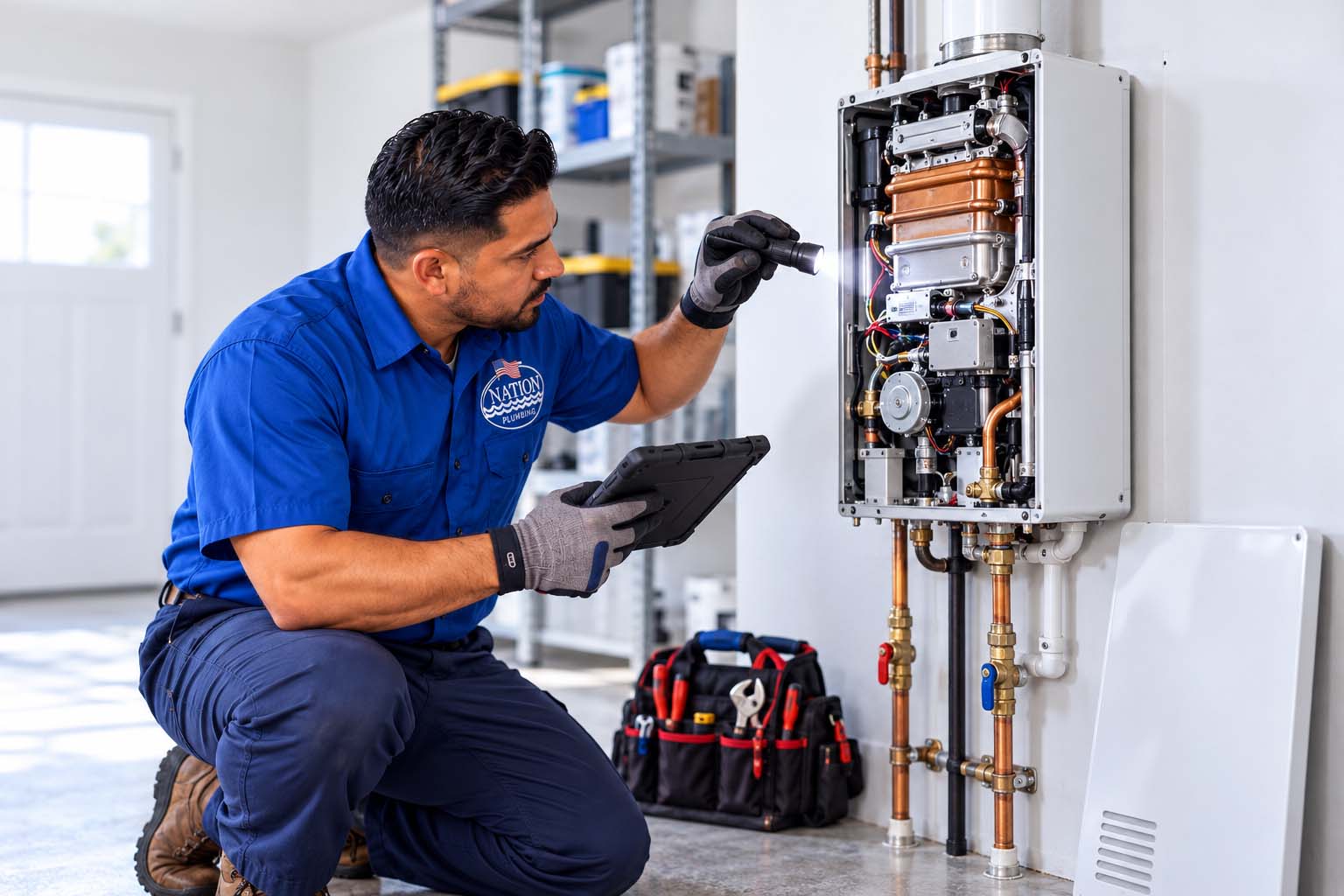
No Hot Water
No hot water can result from a supply, control, heating, or ignition problem, depending on the equipment.
It does not establish that the entire water heater has failed. A service evaluation can help determine whether the concern is repairable.
Hot Water Runs Out Quickly
A change in available hot water may involve equipment performance, increased household demand, or another plumbing issue.
Explain whether the problem started suddenly or has always been present. That distinction helps separate a new malfunction from an ongoing sizing concern.
Popping, Rumbling, or Other Unusual Sounds
New sounds deserve attention, but noise alone does not determine whether replacement is necessary.
A plumber can assess the equipment’s operation and discuss whether maintenance, repair, or further investigation is appropriate. Do not assume flushing will resolve every noisy water heater.
Discolored Hot Water
Notice whether discoloration affects only hot water or both hot and cold water.
That information helps guide the evaluation. Discoloration can involve the water supply, household piping, or water heater, so replacing the heater without identifying the source may not resolve the concern.
Water Around the Equipment
Visible water warrants prompt investigation.
If you can do so safely, stop using the affected equipment and follow its shutdown instructions. Keep away from wet electrical components. Do not cap or block a relief valve or its discharge pipe to stop a leak.
Should You Replace a Tank Water Heater With Tankless?
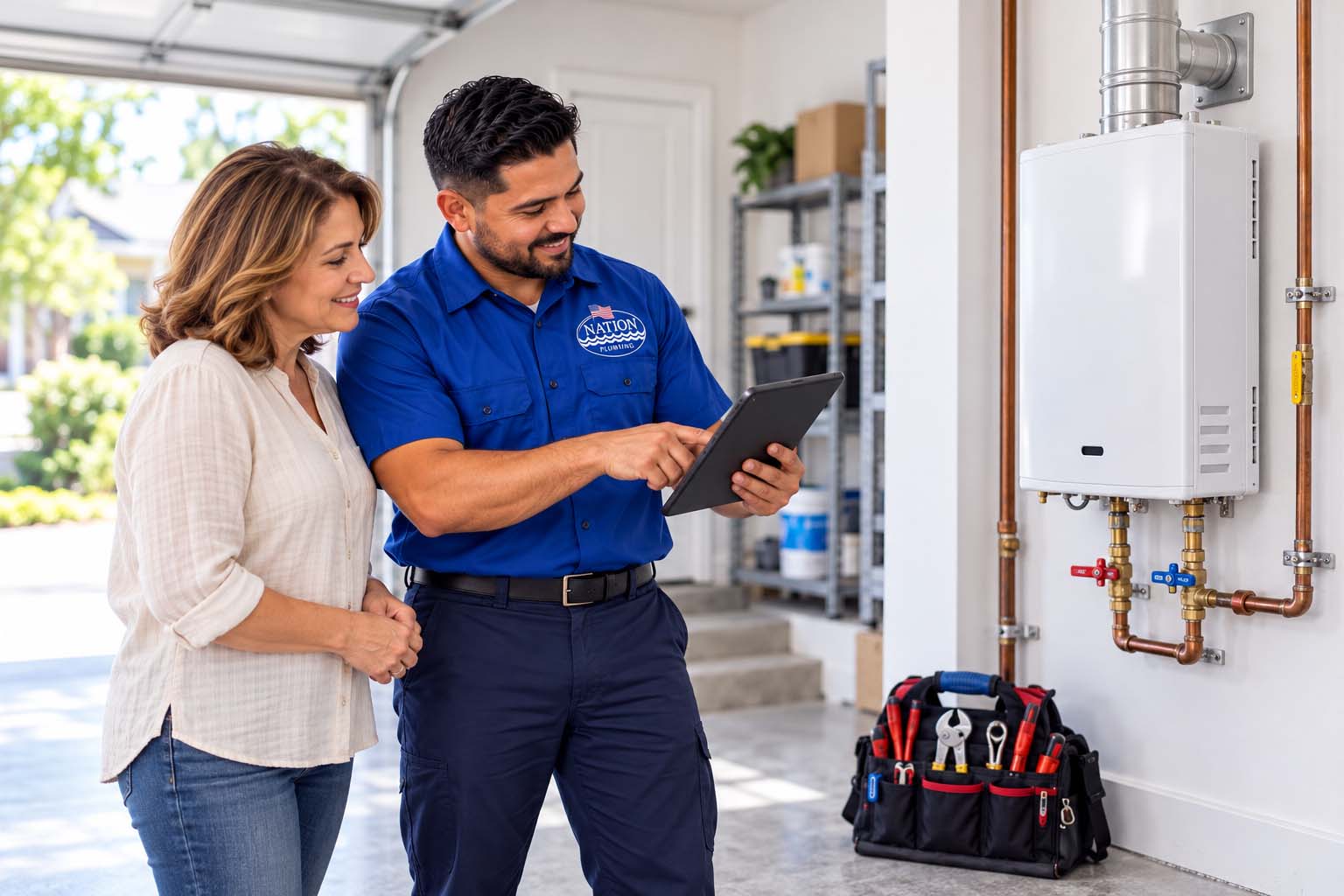
Tankless equipment can be worth considering, but it is not automatically the best replacement for every home.
A conversion may require changes to gas or electrical supply, venting, equipment placement, or plumbing connections. The system also needs to be selected for the household’s simultaneous hot water demand.
Before choosing tankless, discuss:
- How many fixtures may use hot water at once.
- Available utility capacity.
- Installation requirements.
- Maintenance needs.
- The complete conversion cost.
A properly selected storage water heater may also be a practical option. The goal is equipment suited to your home and budget.
Questions to Ask Before Approving the Work
A clear recommendation should help you understand both the problem and the proposed solution.
“What Is Causing the Problem?”
Ask which component or condition was identified and how it relates to your symptoms.
“What Does the Repair Include?”
Find out what will be repaired or replaced and whether additional work is recommended.
“Are There Other Concerns With the Unit?”
The condition of the tank, connections, and accessible components can affect whether repair offers reasonable value.
“What Does the Replacement Price Include?”
Ask about equipment, installation, removal of the existing unit, required installation updates, and applicable permit requirements.
“Will the Recommended Equipment Meet Our Needs?”
Explain your household’s shower schedules, laundry use, and other hot water demands. That information helps guide equipment selection.
“What Warranty Applies?”
Clarify manufacturer coverage and any workmanship warranty. Ask about exclusions and maintenance requirements rather than assuming all future service is included.
Can Maintenance Help Avoid Replacement?
Appropriate maintenance can support water heater performance, but it cannot reverse every equipment problem.
The right service depends on the model, condition, manufacturer guidance, and maintenance history. An older unit with an unknown service history should be evaluated before deciding what maintenance is suitable.
Maintenance also should not substitute for investigating an active leak or recurring malfunction.
Frequently Asked Questions
Should I replace my water heater just because it is old?
Age is one factor, not a complete diagnosis. Consider its condition, performance, repair history, and the cost of the proposed work.
Is repairing a water heater always cheaper?
The immediate repair bill may be lower, but repeated repairs can change the overall value. Compare the current repair with a complete replacement estimate.
Can a leaking water heater be repaired?
Some leaks involving fittings, valves, or connections may be repairable. A confirmed leak from the storage tank itself generally calls for replacement.
Will a new water heater lower my utility bills?
That depends on the existing equipment, replacement model, installation, and household usage. Ask about the specific equipment’s efficiency rather than assuming a particular savings amount.
Should I buy the replacement before calling a plumber?
An evaluation first can help you avoid purchasing equipment that does not fit your space, utility supply, or hot water needs.
How urgently should I address a water heater leak?
Arrange prompt service. Even a small leak can damage nearby materials. If water reaches electrical equipment or the situation is unsafe, keep away from the area and seek immediate assistance.
Get Clear Answers About Your Water Heater in Converse
You do not need to make the repair-or-replacement decision based on guesswork.
Nation Plumbing helps Converse homeowners evaluate water heater concerns and understand suitable repair, maintenance, installation, and replacement options. We review the symptoms, equipment condition, and household needs before explaining the proposed next step.
Contact Nation Plumbing to schedule a water heater evaluation in Converse, TX, and compare your options with clear information.